
About “Climate Debt”
Tom Athanasiou tells John Feffer: the Global North owes much to the Global South for the damage already done to the climate. If you want to test yourself about this, take the quiz in the comments.

In the high-stakes poker game of global climate negotiations, the chips are stacked unevenly, the rules are disputed, and the house—our shared atmosphere—is catching fire. While the world focused on the recent Conference of Parties (COP), a deeper, more uncomfortable conversation has been simmering beneath the surface of diplomatic pleasantries: Who pays for the damage already done?
John Feffer, director of the Global Just Transition program at the Institute for Policy Studies, recently sat down with Tom Athanasiou, a long-time eco-political analyst and author of Divided Planet, to unpack one of the most contentious concepts in environmental justice: Climate Debt. Their conversation reveals that moving beyond fossil capitalism isn’t just about new technology; it’s about reckoning with history, wealth, and a radical reimagining of global cooperation.
Defining the Debt
“Climate debt is not financial debt,” Athanasiou clarifies early in the discussion. It is not the familiar story of Mozambique owing interest to Citibank. Instead, it is a moral and historical ledger. It points an accusatory finger at the Global North for its centuries-long monopoly on the atmospheric sink—the capacity of the planet to absorb carbon dioxide.
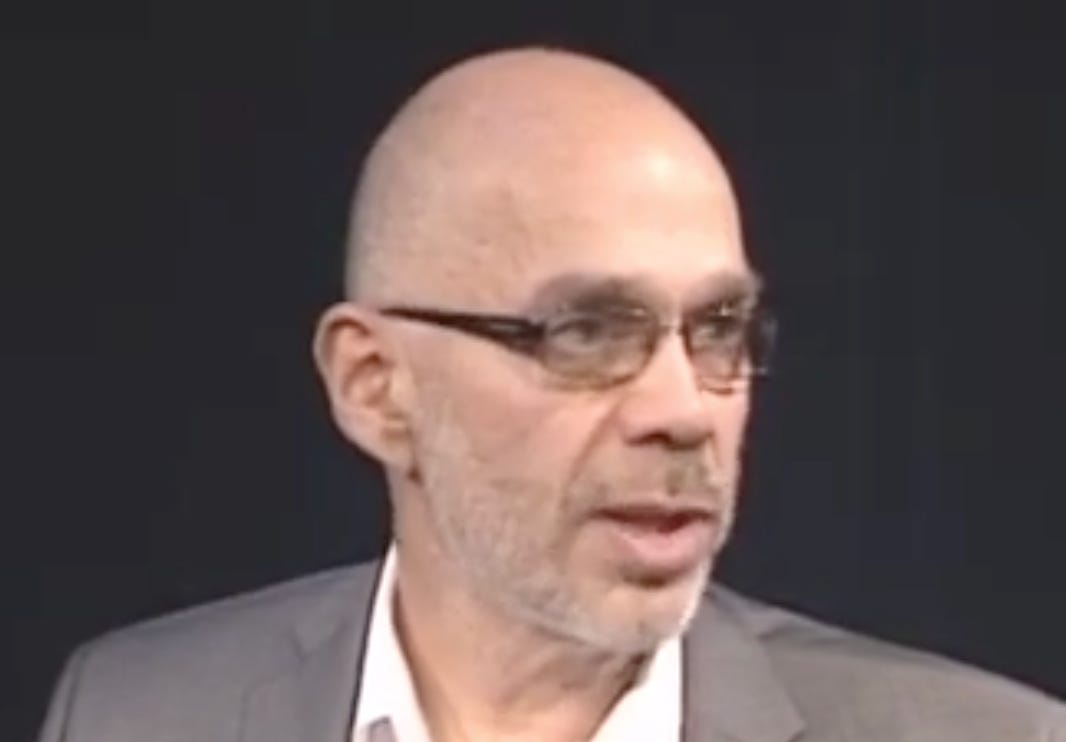
Tom Athanasiou
The concept is inextricably bound to the history of fossil capitalism and colonialism. The industrialized nations grew rich by burning the fuel that is now warming the planet, leaving the Global South to face the disproportionate consequences of a crisis they did not create. However, Athanasiou suggests that while “climate debt” is a powerful mobilizing slogan for activists, it is analytically tricky.
